

Before buying a house or condo, it is essential to have a clear picture of the property’s actual condition. A pre-purchase inspection is an important step in the buying process, as it provides a professional assessment of the building before the transaction is finalized.
Carried out by a building inspector, this inspection examines the main visible components of the property to identify any potential problems or signs of deterioration. It allows the buyer to better assess what work may be needed and make an informed decision before committing.
In this article, find out what a pre-purchase inspection involves, how much it costs in Quebec, how the process unfolds, and what options are available if problems are found.
In brief
- A pre-purchase inspection is a visual assessment carried out by a building inspector to verify the overall condition of a property before purchase.
- It helps identify visible problems, defects, or work that may be required before the transaction is finalized.
- In Quebec, a pre-purchase inspection is not mandatory, but it is strongly recommended to avoid surprises after the purchase.
- In 2026, the cost of a pre-purchase inspection generally ranges from approximately $500 to $1,500, depending on the type and size of the property.
- If the inspection reveals significant problems, the buyer can renegotiate the price, request repairs, or withdraw from the transaction.

What is a pre-purchase inspection?
A pre-purchase inspection is a visual assessment of a property’s condition carried out by a building inspector before the transaction is concluded. Its purpose is to examine the visible and accessible components of the building to identify any potential problems or signs of deterioration.
In practical terms, the inspection allows the buyer to:
- Assess the overall condition of the property;
- Detect certain visible problems or defects;
- Identify repairs or work that may be needed;
- Better understand the maintenance required in the short or long term.
The inspection report can also play an important role in the real estate transaction. If it reveals major problems, it can be used to renegotiate the selling price, request certain repairs, or in some cases, withdraw from the transaction.
How much does a home inspection cost in 2026?
Hiring a building inspector for a pre-purchase inspection comes at a cost. The amount depends on the type of property, its size, its location, and the inspector chosen.
Here is an estimate of pre-purchase inspection costs in Quebec in 2026:
| Type of property | Price |
| Condo | Between $515 and $875 |
| Single-family home | Between $670 and $1,030 |
| Semi-detached home | Between $620 and $980 |
| Multiplex | Between $770 and $1,545 |
Is a pre-purchase inspection mandatory in Quebec?
In Quebec, a pre-purchase inspection is not a mandatory step when purchasing a property. A buyer may therefore choose to proceed with the transaction without having the home inspected. That said, an inspection remains strongly recommended.
It provides a professional assessment of the property’s condition before the purchase is finalized. Without this verification, the buyer may only discover certain problems after the transaction is complete, which can lead to significant costs and limit the recourse available against the seller.
Why include an inspection condition in your offer?
In a real estate purchase, the pre-purchase inspection is generally carried out after the acceptance of a purchase offer that is conditional on inspection. This clause allows the buyer to have the property professionally inspected before confirming the transaction.
Once the purchase offer is submitted, the seller may accept it, reject it, or make a counteroffer. If the offer is accepted, the buyer has a set period of time, as outlined in the promise to purchase, to arrange the inspection.
If the inspection reveals significant problems, the buyer can renegotiate the selling price, request certain repairs, or choose to withdraw from the transaction.
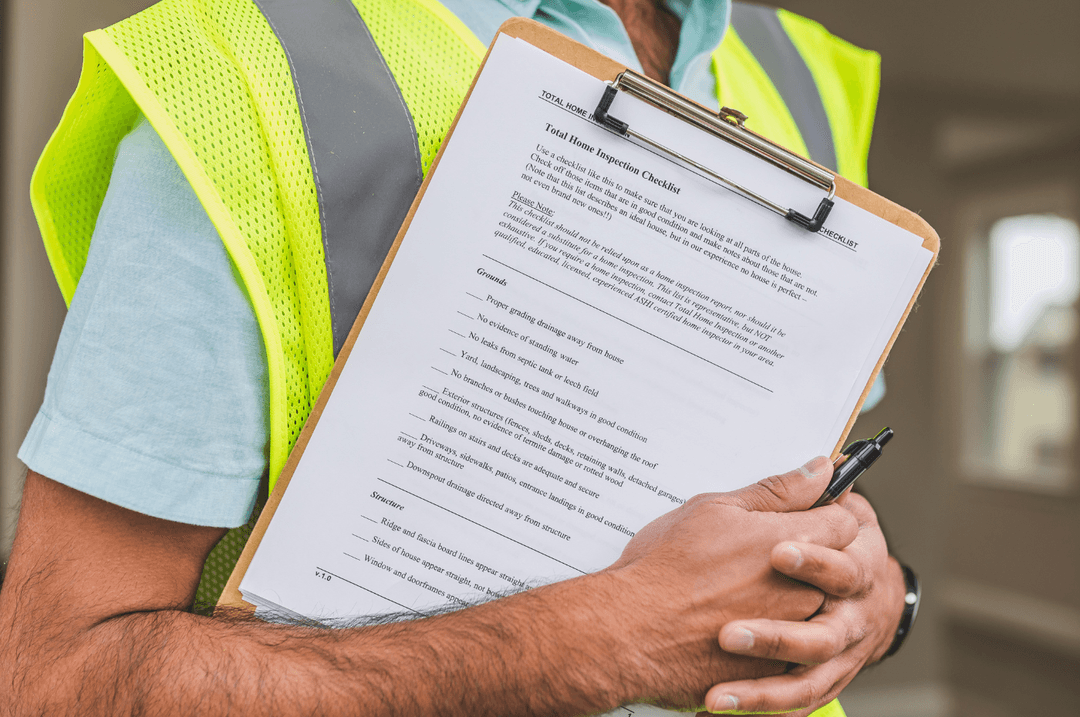
How does the inspection process work?
A pre-purchase inspection generally unfolds in several stages, from selecting the inspector to receiving and reviewing the inspection report. Each stage helps the buyer understand the condition of the property before confirming the transaction.
1. Choosing a home inspector
The choice of inspector matters, since the quality of the inspection depends directly on the inspector’s skills and experience.
In Quebec, the building inspection profession is now governed by a regulation from the Régie du bâtiment du Québec (RBQ), which provides for a certification requirement for inspectors.
Before hiring an inspector, it is recommended to verify:
- Years of experience in residential inspection;
- Training in the building and construction field;
- Professional liability insurance coverage;
- Certification or affiliation with a recognized association.
2. Carrying out the property inspection
Once the inspector has been selected and the purchase offer accepted with the inspection condition, the property visit can take place. The pre-purchase inspection consists of a visual examination of the building’s overall condition to identify any potential problems or signs of deterioration.
The inspector goes through the entire property and checks all visible and accessible components. The buyer is generally welcome to be present during the inspection, which allows them to ask questions and gain a better understanding of the home’s condition.
What components are examined during the inspection?
During the visual inspection, the inspector reviews several important elements of the property to identify any defects or anomalies. The main components examined during the inspection include:
- Structure: foundations, load-bearing walls, and ceilings.
- Roof: covering, flashings, roof ventilation, and condition of gutters.
- Interior: floors, doors, windows, and overall condition of finishes.
- Systems: plumbing, electrical system, water heater, heating, ventilation and air conditioning.
- Insulation: type of insulation, air barrier, vapour barrier, and overall airtightness.
- Exterior: cladding, windows, balconies, terraces, and other visible elements.
This inspection provides an overall picture of the property’s condition before the transaction moves forward.
3. Receiving the inspection report
Following the inspection, the inspector typically delivers a detailed report to the client within approximately 48 hours. This time allows the inspector to review photos taken during the visit and verify certain observations made on the property.
The inspection report is an important document. It presents the overall condition of the home, the problems observed, and recommendations regarding repairs or maintenance to be considered.
What to do if significant problems are found
If the report reveals major problems, several options may be available:
- Cancel your purchase offer: if the problems are too significant or the property requires major repairs, you may choose to cancel the offer.
- Ask the seller to carry out certain repairs: if you still wish to proceed with the purchase, you can request that the seller address specific issues before possession.
- Negotiate the selling price: if the seller is unwilling to make the repairs, it may be possible to negotiate a price reduction to offset the cost of the work required.
The inspection report therefore becomes a valuable tool for negotiating the terms of the transaction and making a fully informed decision.
FAQ — Pre-purchase inspection
How long does a pre-purchase inspection take?
The duration of a pre-purchase inspection depends on the type and size of the property. On average, a residential inspection takes between two and three hours for a single-family home. A larger property, such as a duplex or triplex, may require more time.
Can you buy a home without an inspection?
Yes, it is possible to buy a home without a pre-purchase inspection. However, this decision carries risks, as it does not allow you to assess the true condition of the property before the transaction is finalized.
Is it necessary to inspect a new home?
Yes, having a new home inspected is recommended. Even if the property has just been built, an inspection can help identify certain construction defects or elements that do not meet building standards.
What is the difference between a pre-purchase inspection and a pre-delivery inspection?
A pre-purchase inspection is carried out before buying an existing property to assess its overall condition. A pre-delivery inspection, on the other hand, is conducted for a newly built home to verify that the construction meets the required standards and planned specifications.
Can an inspection detect hidden defects?
No. A pre-purchase inspection is a visual examination of the property’s accessible components. Hidden defects, by definition, are concealed and cannot always be detected during an inspection. That said, an inspection can often uncover signs that point to underlying problems.
Looking to have a property inspected?
XpertSource.com can help you in your efforts to find a. By telling us about your project, we will refer you to top-rated experts, free of charge! Simply fill out the form (it only takes 2 minutes) and you will be put in contact with the right experts.