
Before buying a property, it is important to carefully assess the condition of the building. An inspection carried out by a building inspector helps identify certain visible problems and provides a clearer picture of the home’s overall condition.
Even though this step represents an additional cost, it can save you from significant expenses after the purchase. In this article, find out how much a building inspector costs, what factors influence the price of an inspection, and what this type of service generally includes.
In brief
- A home inspection in Quebec in 2026 generally costs between $515 and $1,545, depending on the type of property.
- The price varies based on the size of the property, its location, its age, and the inspector chosen.
- A pre-purchase inspection allows you to assess the overall condition of the building and identify certain visible problems before buying.
- The inspector examines the accessible components of the property, such as the structure, roof, plumbing, electrical system, and ventilation.
- In most cases, it is the buyer who pays for the pre-purchase inspection, while the seller typically covers the cost of a pre-listing or preventive inspection.
What is the role of a building inspector?
A building inspector is a professional responsible for assessing the overall condition of a property. Drawing on expertise in construction, the inspector examines the various visible components of the building to identify any potential problems or signs of wear and tear.
This assessment can help uncover certain defects, work that may be needed, or elements that could pose a safety risk to the occupants.
When should you hire a home inspector?
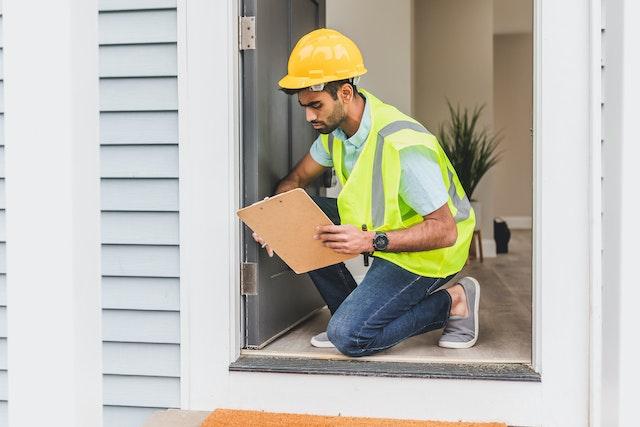
A building inspector is typically called upon as part of a real estate transaction to evaluate the condition of a property. The inspector’s expertise helps identify certain visible problems and provides a clearer picture of the building’s condition, allowing for a more informed decision.
What are the different types of home inspections?
A building inspector can carry out several types of inspections depending on the context and the needs of the owner or buyer. The main types are as follows:
- Pre-purchase inspection: the most common type, carried out before acquiring a property to assess its overall condition and identify any potential problems before the transaction is finalized.
- Pre-listing inspection: performed before a property is put on the market, it allows the seller to know the condition of the building and address certain issues before the sale.
- Pre-delivery inspection: carried out for a newly built home, it verifies that the construction meets the plans and applicable standards before the property is handed over.
- Preventive inspection: performed on an already occupied property, it helps identify potential problems and plans for any maintenance or repair work that may be needed.
What components are examined during an inspection?
During a building inspection, the inspector examines the main visible interior and exterior components of the property, to assess its overall condition and identify any signs of deterioration.
The elements generally reviewed include:
- The foundations and building structure;
- The roof and the condition of its components;
- The plumbing and electrical systems;
- The heating and ventilation systems;
- The insulation and airtightness of the building;
- The exterior of the property, such as the cladding and visible landscaping elements.
What problems can a building inspector detect?
Through this visual examination, the inspector can identify several problems or anomalies that may affect the condition of the home and its value. For example, an inspection may reveal:
- Cracks in the foundations or walls;
- Signs of water infiltration or inadequate drainage;
- Insulation or ventilation problems;
- A damaged or end-of-life roof;
- Non-compliant or outdated electrical panel;
- Signs of mould or excessive moisture.
These observations provide a clear picture of the building’s condition and help evaluate what work may be necessary.
What is not included in a home inspection?
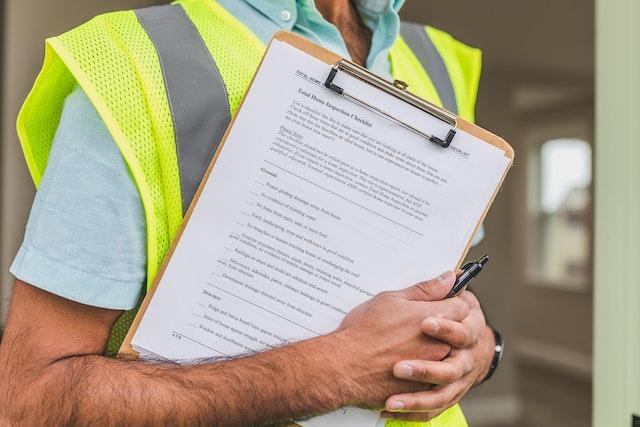
Even though a building inspector carries out a thorough visual examination of the property, certain elements are generally not part of a standard inspection. For example, an inspection does not typically include:
- Outbuildings located on the property;
- Wood-burning heating appliances;
- Phone and cable systems;
- Alarm systems;
- Pools and spas.
It is also worth noting that the inspector only examines components that are visible and accessible at the time of the visit. As a result, problems located inside walls, floors, or foundations cannot be detected.
What is the average cost of a home inspection in Quebec?
The price of a home inspection can vary based on several factors, including the type of property, its size, its location, and the inspector chosen. In Quebec, here is an estimate of pre-purchase inspection costs in 2026:
| Type of property | Price |
| Condo | Between $515 and $875 |
| Single-family home | Between $670 and $1,030 |
| Semi-detached home | Between $620 and $980 |
| Multiplex | Between $770 and $1,545 |
What factors influence the cost of a building inspector?
The cost of an inspection can vary depending on several factors, including:
- The geographic area where the property is located;
- The type of building (condo, house, multiplex, etc.);
- The age of the property;
- The size of the building;
- The inspector chosen and their level of experience;
- Any additional analyses or inspections requested.
How to choose a building inspector
Choosing a building inspector is an important step, as the quality of the inspection depends directly on the inspector’s skills and experience. Before hiring someone, it can be helpful to look into their background and experience in the construction field.
It may also be worth checking whether they are a member of a recognized professional association, which generally indicates that they follow established practices in the inspection industry. Finally, it is recommended to confirm that they carry errors and omissions insurance, which can provide additional protection in the event of a mistake.
FAQ — Home inspection
How long does a pre-purchase inspection take?
The duration of a pre-purchase inspection depends mainly on the size and age of the property. In general, the inspection of a single-family home takes between two and three hours.
Can an inspection detect hidden defects?
No. A pre-purchase inspection is a visual examination of the property’s accessible components. Hidden defects, by definition, are concealed and cannot always be detected during an inspection. That said, an inspection can often uncover signs that point to underlying problems.
Is it necessary to inspect a new home?
Yes, having a new home inspected is generally recommended. Even if the property has just been built, an inspection can help identify certain construction defects or non-compliant elements before taking possession.
Can you buy a home without an inspection?
Yes, it is possible to buy a home without a pre-purchase inspection. However, this decision carries risks, as it does not allow you to verify the true condition of the property before the transaction is finalized.
Who pays for the residential inspection?
The person who pays for the inspection generally depends on the type of inspection being carried out. For a pre-purchase inspection, it is typically the buyer who covers the cost. For a pre-listing or preventive inspection, the costs are generally assumed by the property owner.
Looking to find a trusted building inspector?
XpertSource.com can help you in your efforts to find a. By telling us about your project, we will refer you to top-rated experts, free of charge! Simply fill out the form (it only takes 2 minutes) and you will be put in contact with the right experts.