


The return of spring marks an important transition for your home. After several months of cold weather, snow, and temperature fluctuations, some components may have been put to the test—sometimes without you even noticing.
Beyond simple seasonal cleaning, this period is an opportunity to assess the overall condition of your property. A few targeted inspections and some spring home maintenance will help you welcome the warmer season with a healthy, functional house that is ready for the months ahead.
In brief
- Make sure melting water is properly directed away from the foundations to reduce the risk of water infiltration.
- Check your home’s mechanical systems before the peak usage season to avoid urgent and costly repairs.
- Improve indoor air quality by cleaning or replacing filters and dusting ventilation grilles after several months of winter.
- Test smoke and carbon monoxide detectors by replacing batteries if necessary and checking their manufacturing date to ensure your home’s safety.
- Take advantage of the seasonal change to carry out preventive maintenance and extend the lifespan of your property.

1. Perform a complete yard spring cleanup
Quebec winters can put your property under significant stress. Freeze—thaw cycles, snow accumulation, and ice can weaken several components of your home, sometimes without visible damage during the winter months.
Spring is therefore the ideal time to carry out a preventive inspection of your home’s exterior. A careful review can help detect issues early and prevent costly repairs. Here are the main elements to check.
Inspect your roof
With the snow melting, the roof is one of the first elements to inspect. Freeze—thaw cycles may have weakened materials without visible signs during winter. Take time to observe:
- The condition of the shingles (lifting, cracks, loss of granules, or missing shingles);
- Flashing and sealing around chimneys and vents;
- Signs of sagging or irregularities;
- Traces of moisture in the attic, if accessible.
A displaced shingle or cracked seals can quickly lead to water infiltration. Addressing these issues early in spring can prevent more significant damage to the structure and insulation.
Clean and check the gutters
Gutters play a crucial role in the spring, especially during snowmelt and heavy rainfall. If they are clogged or poorly secured, water can overflow and seep near the foundation. Make sure to:
- Remove accumulated leaves, branches, and debris;
- Verify that gutters are securely attached;
- Confirm that the drainpipes direct water away from the house;
- Look for signs of overflow or sagging.
Examine exterior siding and foundations
After winter, walk around your property to inspect the exterior siding. Freeze—thaw cycles may cause cracks, swelling, or movement of materials. Pay attention to discolouration, moisture marks, or signs of mould, which could indicate an underlying issue.
If the foundations are visible, inspect them as well. Small cracks can be normal, but any water infiltration or cracks that appear to be expanding should be evaluated by a professional to prevent more serious damage.
Inspect your yard
Spring is also a good time to check the overall condition of your yard. Pay particular attention to areas where water may accumulate. Make sure the ground slopes away from the foundations and that drainage is adequate. Also clear window wells to prevent water from entering the basement.
Inspect outdoor structures
Take advantage of spring to examine outdoor installations. Carefully inspect the deck, railings, and steps for weakened boards, loose screws, or unstable elements that could pose safety risks. Then check your shed to ensure the roof, siding, and door were not damaged during winter.
Also test outdoor faucets, which may have developed cracks due to freezing. Even a minor leak should be repaired quickly to avoid more serious issues.
Prepare your landscaping
Once the inspection is complete, take time to prepare to do a yard cleanup for the warmer season.
- Clean the yard by removing dead branches, dead leaves, and winter debris.
- Reseed dead grass areas and apply fertilizer if needed to promote healthy growth.
- Weed and loosen soil in your garden to prepare for new plantings.
- Store winter equipment such as shovels and abrasives to free up space.
- Bring out and inspect patio furniture, cleaning it and checking its stability before warmer days return.

2. Perform a complete inspection of your home’s equipment
Spring is also a strategic time to inspect your home’s mechanical systems. After several months of heavy winter use, some appliances have been heavily stressed, while others are about to be used again during the summer.
A preventive check can help detect wear, avoid costly breakdowns, and ensure your systems operate properly in the months ahead.
Check the condition of your water heater
The water heater operates year-round. After winter, make sure it shows no signs of leaks, corrosion, or moisture around its base.
It is also recommended to drain it once a year to remove sediment that accumulates at the bottom of the tank. Sediment buildup can reduce efficiency and shorten the appliance’s lifespan. Simple preventive maintenance can therefore extend its performance and help avoid premature replacement.
Inspect the heating system
Even though the heating season is ending, spring is a good time to check your system and ensure it will be ready for the next winter.
If you use a heat pump, make sure the outdoor unit is free from leaves, branches, or debris that could obstruct airflow. A preventive inspection by a professional can also help detect signs of wear and optimize performance.
Check the air conditioner
Unlike the heating system, your air conditioner has likely been unused for several months. Before restarting it, run a short test to ensure it’s ready for spring and produces cold air without any unusual noise.
Take the opportunity to inspect the drainage line and ensure there is no water buildup or blockage. Starting the system in spring helps identify problems before the first heat waves when technicians wait times may be longer.
Test the sump pump
In spring, snowmelt and heavy rain increase the risk of basement water infiltration. The sump pump plays an essential role in protecting the foundations.
Check that it works properly by slowly pouring water into the sump pit to trigger the mechanism. Make sure the water is discharged properly outside and that the outlet pipe is clear. A faulty pump can go unnoticed—until the moment you need it most.
Check smoke and carbon monoxide detectors
Spring is also a good time to test your smoke alarms and carbon monoxide detectors. Press the test button to ensure they are working properly and replace batteries if necessary.
Also check the manufacturing date printed on your fire extinguisher. Most extinguisher has a lifespan of 5 to 15 years. If yours is approaching this limit, it is best to replace it to maintain proper home safety.
Schedule chimney sweeping
If you used a wood-burning fireplace during winter, spring is the ideal time to have the chimney swept. Creosote build up inside the chimney can increase the risk of fire and reduce proper draft.
Cleaning at the end of the heating season removes residue before the warmer months causes it to harden and become more difficult to remove later. This ensures a clean and safe system for the next heating season.
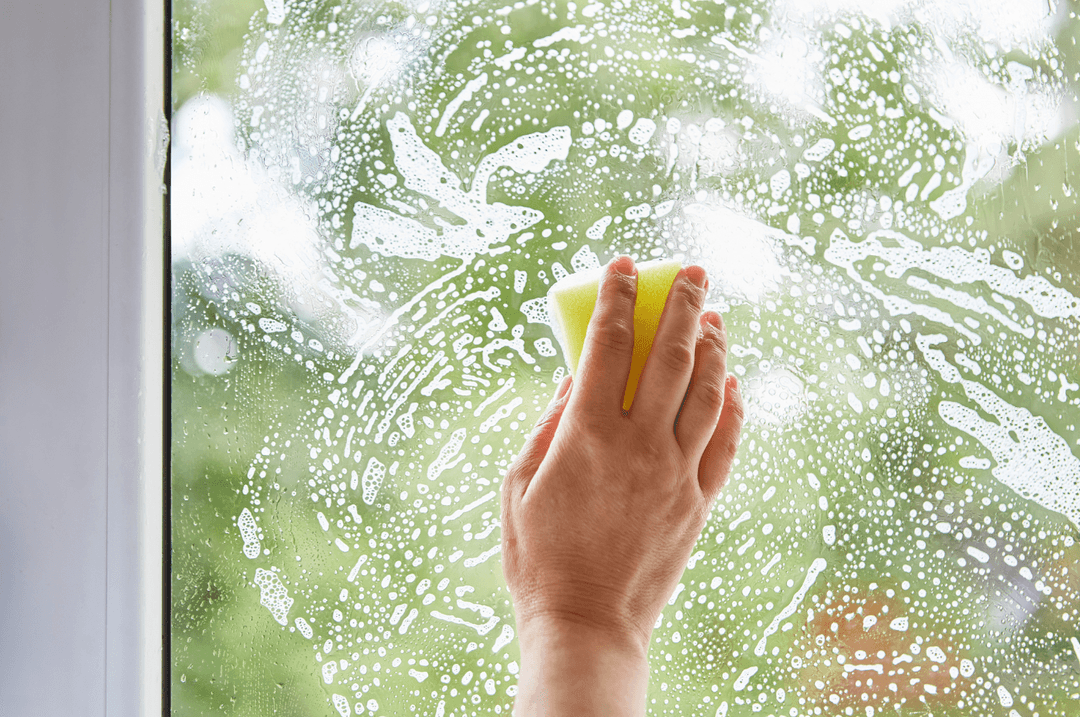
3. Do a thorough spring cleaning inside the house
After a winter spent mostly indoors, your home may have accumulated dust, humidity, and general wear. Spring is the perfect time to do more than basic cleaning. It’s an opportunity to refresh your interior both aesthetically and preventively.
By combining deep cleaning with technical checks, you improve air quality, comfort, and the durability of your home for the months ahead.
Clean and replace filters
Spring is a key time to improve indoor air quality. Replace or clean the filters in your heating and ventilation systems, as well as those in the kitchen hood and bathroom fan.
Take the opportunity to clean ventilation grilles and dust accessible ducts. After a winter with windows mostly closed, these actions help reduce allergens, dust, and stale odours.
Clean behind appliances
Over time, dust, grease, and debris accumulate behind and under household appliances. Spring is usually the best time to move the refrigerator, stove, and washing machine to thoroughly clean these often-neglected areas.
Also check and clean the dryer vent. Lint buildup can reduce appliance performance and increase fire risk. In addition to improving overall hygiene, these steps help extend the lifespan of your appliances.
Check the condition of windows
Take advantage of spring to inspect window seals and frames. Freeze—thaw cycles may weaken certain sealants or cause small air leaks.
Watch for persistent condensation between panes, drafts, or signs of moisture around the frame. Identifying these issues early helps correct sealing problems before hot weather arrives and improves your home’s energy efficiency.
Watch for signs of moisture
Spring is a critical time to detect moisture-related problems. Inspect wall corners, the basement, ceilings, and closets for persistent odours, suspicious stains, or signs of infiltration. Snowmelt and heavy rain may reveal waterproofing issues that went unnoticed during winter. Addressing them quickly helps prevent mould growth and structural damage.
Refresh and reorganize your space
Use this time to declutter and reorganize your interior more efficiently. Store winter-related items to free up space and make rooms feel lighter. Reorganize closets, storage areas, and circulation spaces to better suit the upcoming season. A well-organized home is more pleasant to live in and easier to maintain daily.
Are you looking to buy a house this spring?
XpertSource.com can help you find a . When you tell us about your project, we put you in touch with qualified resources for free. Simply fill out our form (it only takes a few minutes) and we will connect you with professionals.